The Swiss National Park, Engadine: trails, rules, seasons
The country's only national park, established 1914 — and the oldest in the Alps. One hundred and seventy square kilometres of protected ground, eighty kilometres of marked trails, ibex, chamois, glacial lakes, and the strictest conservation rules in Europe.
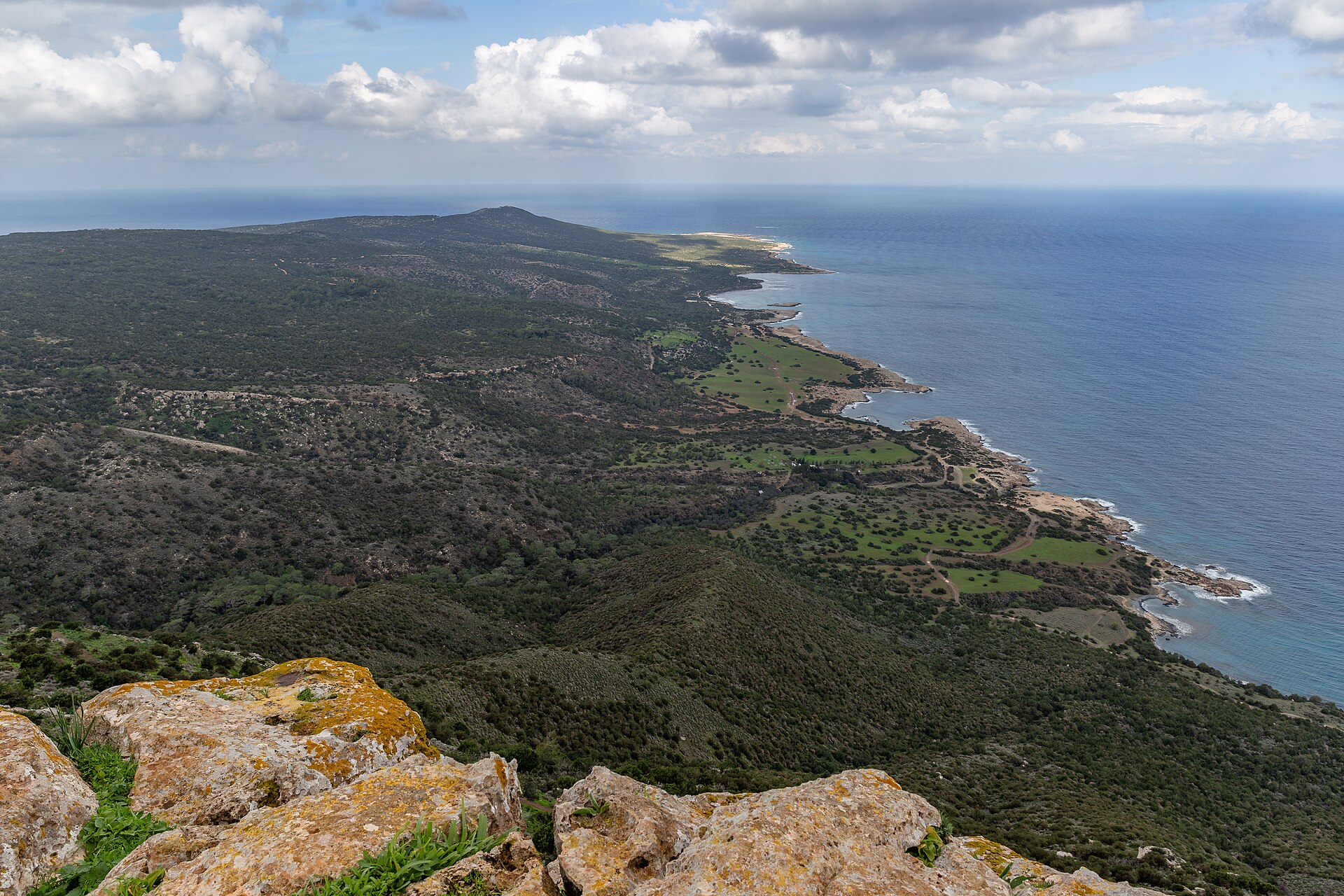
The Swiss National Park is the only national park in Switzerland, and the oldest in the Alps. Founded in 1914 on the Yellowstone model, it has neither expanded nor shrunk since: the same one hundred and seventy square kilometres in the canton of Graubünden, on the eastern border with Italy, between Zernez and the Ofenpass.
A special status: nature without humans
Unlike most European parks, the Swiss National Park operates a radical non-intervention doctrine. No economic activity is permitted. Fallen trees are not removed. Animals are not fed. Paths are not laid with gravel. The park exists to observe how nature handles itself without us. It is the most strictly protected biotope in the Alps — IUCN Category Ia.
From this follow the rules every visit is built around:
- Leaving the marked trails is forbidden — fines up to 500 CHF.
- No fires, no tents, no overnight stays outside designated huts.
- Dogs are not permitted at all, even on a leash.
- Bicycles and mountain bikes are not permitted; allowed only on perimeter roads.
- No collecting — plants, mushrooms, stones, shed antlers — none of it.
- Drones are categorically forbidden.
- Noise — shouting, loud conversation, music — is firmly discouraged. It affects the wildlife.
Getting there
The base is Zernez, a small village on the Rhaetian Railway (RhB) line Chur–St. Moritz–Scuol. From Zurich it is four hours with one change in Chur. Zernez houses the Visitor Centre — Schweizerischer Nationalpark Besucherzentrum — a three-storey, free exhibition on the geology and biology of the region, with films and an interactive trail map. Open daily June through October; weekends only in shoulder season.
From Zernez, yellow PostAuto buses run to the park-edge car parks: P3 Il Fuorn, P5 Praspöl, P7 Punt la Drossa, P8 Champlönch and others. Without a car, this is the only sensible access — buses run hourly along the main Zernez–Ofenpass–Müstair route.
Recommended day hikes
1. Il Fuorn → Margunet → Stabelchod
The park classic. Start at car park P7 Il Fuorn (next to the hotel), climb the switchbacks through larch forest to the Margunet saddle (2 328 m) — the highest point on a regular trail and one of the best places in the country to watch bearded vultures (Gypaetus barbatus) and golden eagles. Descend into Val da Stabelchod, where a herd of forty to sixty chamois almost always grazes. Loop back to the car park. Total: 13 km, +700 m, 5–6 hours.
2. Champlönch → P8 (short circuit)
A simple loop — 4 km, minimal elevation, family-friendly. Larch forest, a stream, the same fauna as the bigger trails but in miniature. Ideal as a first day in the park or to test how the rules feel.
3. Lai da Macun
The park's signature lake basin, at 2 237 m, in the eastern section. Approach from P8 Buffalora via the Pass dal Fuorn. 16 km round trip, +650 m, 6–7 hours. Walk slowly — this is one of the best routes for ibex (Capra ibex), which descend to the water around midday.
Seasons
The park is accessible from early June to late October — the whole window in which the trails are snow-free. From November to May almost the entire park is closed to protect wintering wildlife: chamois and ibex are running on fat reserves, and each human step on the snow forces a flight that can cost them their life. The closure is biology, not bureaucracy.
The best months: late June (alpine meadow flowering), September (deer rut in Stabelchod and Praspöl — an extraordinary acoustic event), second half of October (golden larches). July and August are peak — car parks fill by 09:30, take the earliest bus from Zernez.
In the Swiss National Park you may touch nothing. It is Europe's most radical reserve, and also its most honest: the Alps as they existed before pastoral husbandry.
The fauna
In one attentive day, you will almost certainly see chamois and marmots. Ibex are rarer — they hold above 2 300 m. Red deer are most active at dawn and dusk. Golden eagles and bearded vultures appear over the saddles almost daily. Brown bears have made episodic appearances since the Italian population expanded; two individuals were documented in the eastern park in 2024 but there is no settled presence. Wolves have been observed since the 2010s, nocturnal, essentially impossible to see by chance. 8×42 binoculars are a non-negotiable item.
Where to stay
The park itself has no overnight options except one historic mountain inn — Hotel Il Fuorn — within its boundaries. Everything else is based in Zernez, S-chanf, Scuol, or Santa Maria Val Müstair. Zernez is the most logical hub: transport lines converge there, a Volg supermarket and a youth hostel (Jugendherberge) with twin rooms from 90 CHF.
What to bring
- Good hiking boots — the trails are stony and unsmoothed.
- Binoculars — without them you lose half the point.
- Full day's water — sources along the trails are sparse.
- Rain shell and a fleece — alpine weather turns inside twenty minutes.
- SwissTopo 1:25 000 map (sheet 1239 "Sta. Maria"), paper — GPS struggles between cliffs.